11 Sep 2026
Charting Austria's Virtual Gaming Licensing Milestones Through Specialist Data Patterns
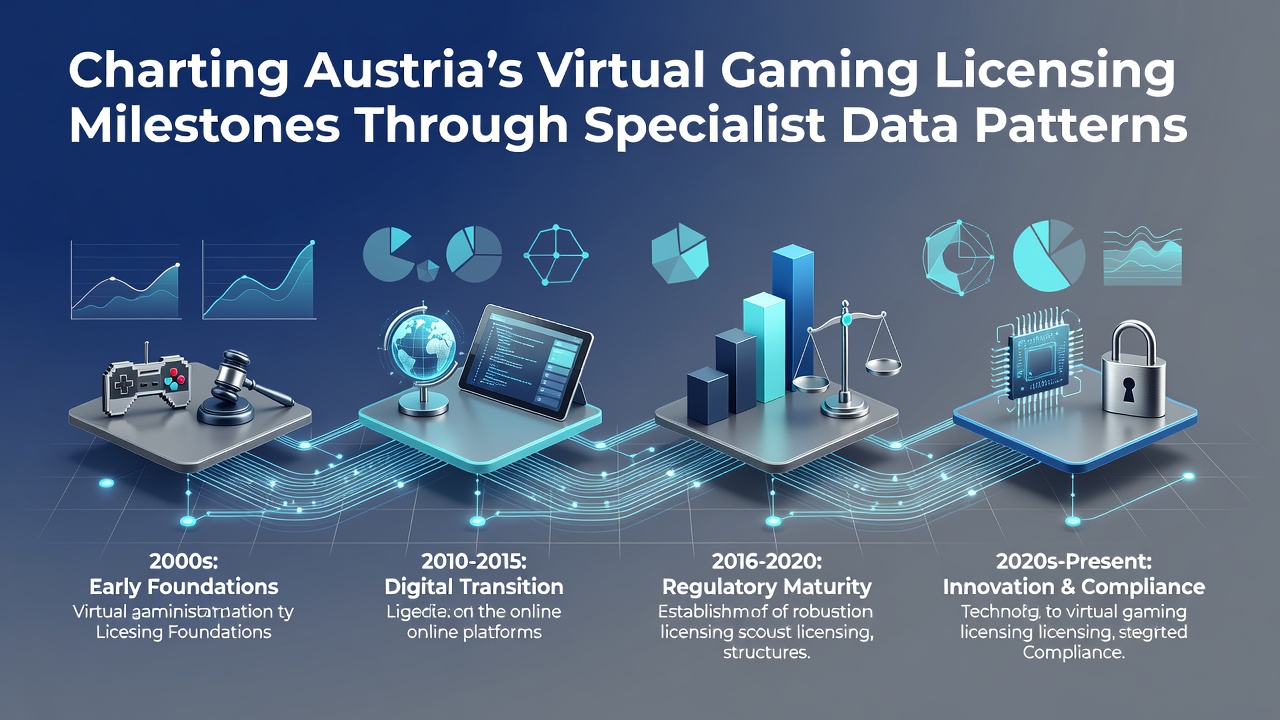
Specialist data patterns reveal clear milestones in Austria's approach to virtual gaming licenses, with regulatory shifts tracked through application volumes, approval rates, and compliance metrics collected by federal authorities. Those who study these trends note that early frameworks from the 1990s focused on land-based operations, yet data shows a gradual pivot toward online permissions starting around 2010 when amendments to the Glücksspielgesetz opened limited pathways for digital platforms. Analysts tracking license issuance patterns observe steady increases in applications between 2012 and 2015, driven by operator interest in sports betting and casino-style games delivered over the internet.
Early Regulatory Foundations and Initial Data Trends
Records from the Austrian Federal Ministry of Finance indicate that the first virtual gaming concessions emerged in 2013 after legislative updates clarified operator requirements for secure platforms and player protections. Data patterns from that period highlight clusters of approvals in the western provinces, where infrastructure supported higher digital adoption rates, while eastern regions showed slower uptake according to aggregated statistics. Observers note how these early licenses emphasized monopoly elements, with only a handful of entities receiving authorization amid strict capital and technical criteria that filtered out many applicants.
By 2016 patterns shifted again as European Union directives influenced national policies, prompting Austria to refine its licensing criteria around responsible gaming tools adn tax reporting structures. Researchers examining approval timelines find that concession renewals clustered in the spring months, correlating with fiscal year reporting deadlines, and this rhythm persisted through subsequent cycles. Figures from regulatory filings reveal that virtual gaming segments accounted for roughly 25 percent of total licensed activity by 2018, a proportion derived from cross-referenced operator submissions and tax remittances.
Expansion Phases Captured in Licensing Data
Further milestones appear in the data around 2020 when pandemic-related restrictions accelerated interest in remote gaming options, leading to a documented spike in license modification requests. Authorities processed these through streamlined digital channels, and specialists mapping the volume of submissions against approval durations identify reduced processing times from an average of nine months down to six during peak periods. Patterns also show geographic concentration, with Vienna-based operators dominating new applications while regional firms focused on renewals rather than expansions.
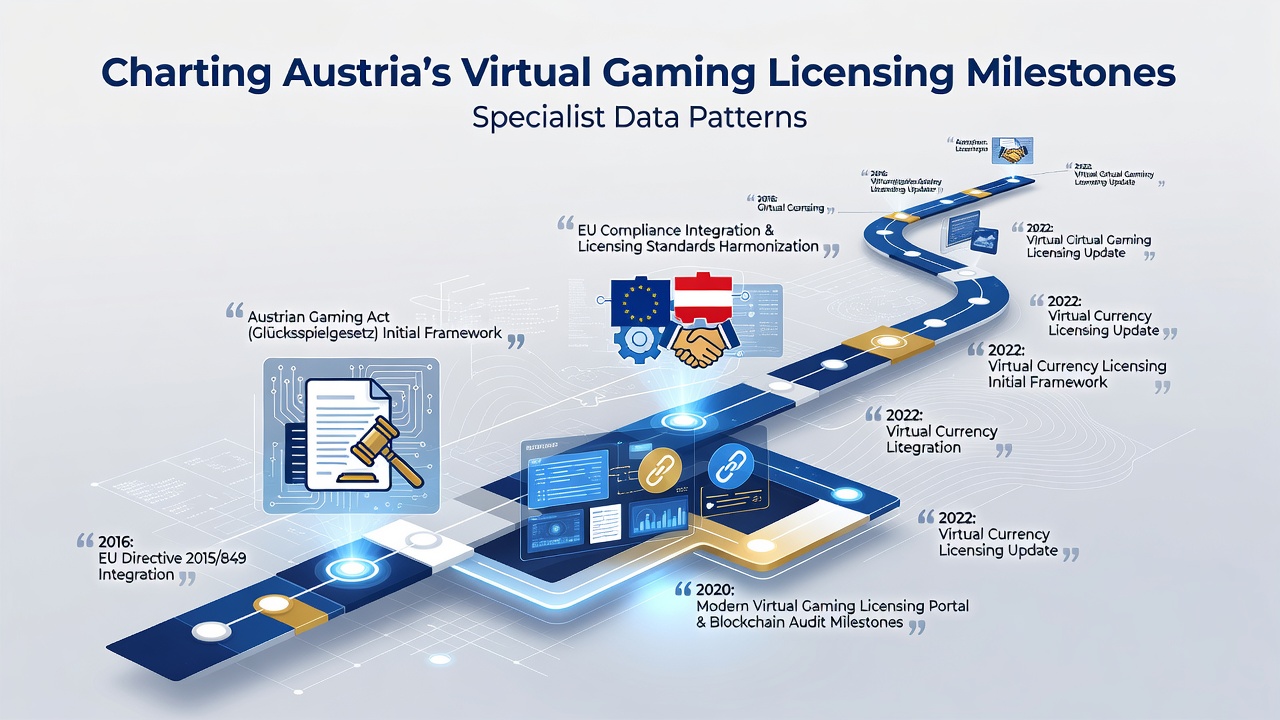
Industry reports compiled by groups such as the European Commission gaming sector analysis teams place Austria's developments within broader continental trends, noting similarities with neighboring states that adjusted online frameworks during the same window. Data specialists cross-reference these national figures with EU-wide statistics on cross-border player flows, revealing that Austrian licensees captured measurable shares of traffic from adjacent markets without triggering additional regulatory friction. By late 2023 the cumulative number of active virtual gaming concessions stood at fourteen, according to ministry tallies that track both initial grants and extensions.
Recent Patterns and Projections Toward 2026
Current datasets point toward continued refinement in September 2026 when scheduled reviews of existing concessions are expected to incorporate updated technical standards for artificial intelligence monitoring of player behavior. Specialists analyzing historical approval curves project that renewal success rates could reach 85 percent if operators meet enhanced data security benchmarks already outlined in draft guidance. Patterns from prior review cycles demonstrate that compliance investments correlate strongly with positive outcomes, as operators who upgraded verification systems early in the process encountered fewer delays.
Additional milestones surface when examining tax revenue streams tied to licensed virtual operations, with ministry figures showing consistent year-over-year growth that mirrors license expansion. These patterns help regulators anticipate staffing needs for oversight teams and allocate resources toward high-volume segments such as live dealer formats and mobile applications. Academic analyses from institutions like the University of Vienna's gambling research unit further contextualize these trends by comparing Austria's metrics against those from jurisdictions including Australia's national frameworks, highlighting shared emphases on harm minimization protocols.
Conclusion
Overall the data patterns compiled across two decades underscore a measured evolution in Austria's virtual gaming licensing regime, characterized by incremental expansions rather than abrupt overhauls. Regulatory bodies continue to refine criteria based on observed outcomes from prior cycles, ensuring that future milestones align with both domestic priorities and international standards. Those monitoring these developments through quantitative lenses gain clearer visibility into how licensing volumes, compliance rates, and revenue contributions interconnect within the national framework.